
Radiocarbon dating
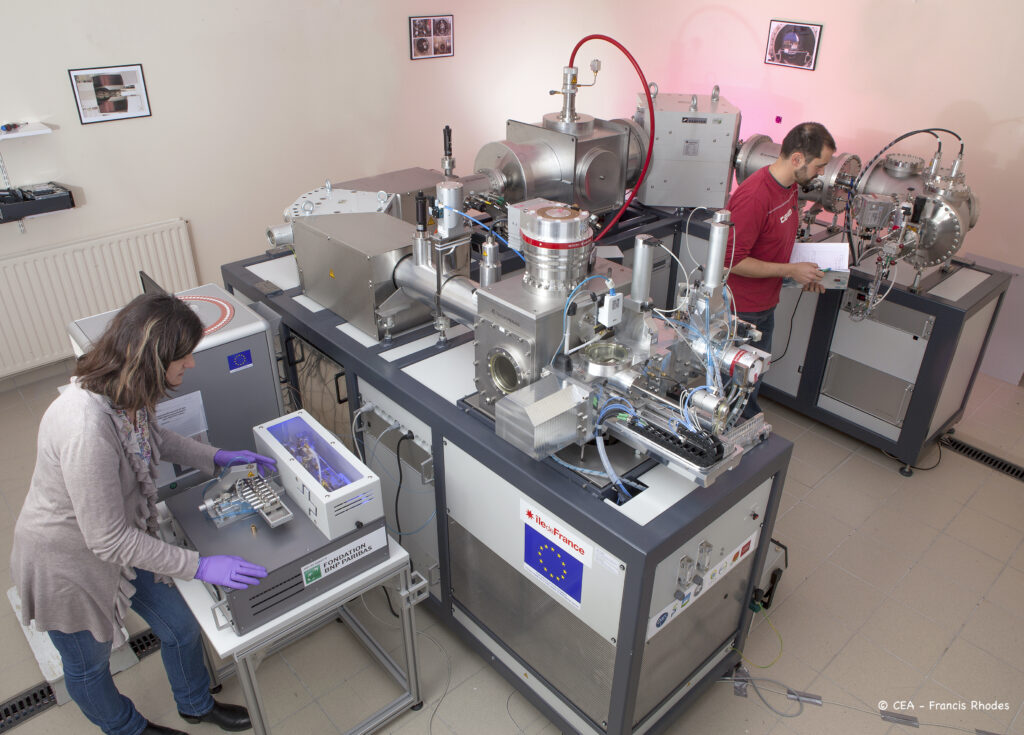
Radiocarbon dating (or carbon 14 or 14C) is a key method for addressing questions of chronology at archaeological sites and in sediment layers in lake cores over the last 50,000 years. It is based on the natural radioactivity of carbon-14 isotope formed in the upper atmosphere. When an organism dies, exchanges with the atmosphere cease and the 14C content begins to decrease. The residual 14C measured is then calibrated to obtain a probability of the calendar age of the samples.
These 14C datings are carried out on a wide range of materials, particularly bones, charcoal and plant remains in archaeology. In the project (Theme 1), we also use the radiocarbon dating of specific molecules, fatty acids preserved in archaeological ceramics. This method is particularly useful in contexts where conventional materials are absent or organic matter is poorly preserved.
Archaeomagnetism
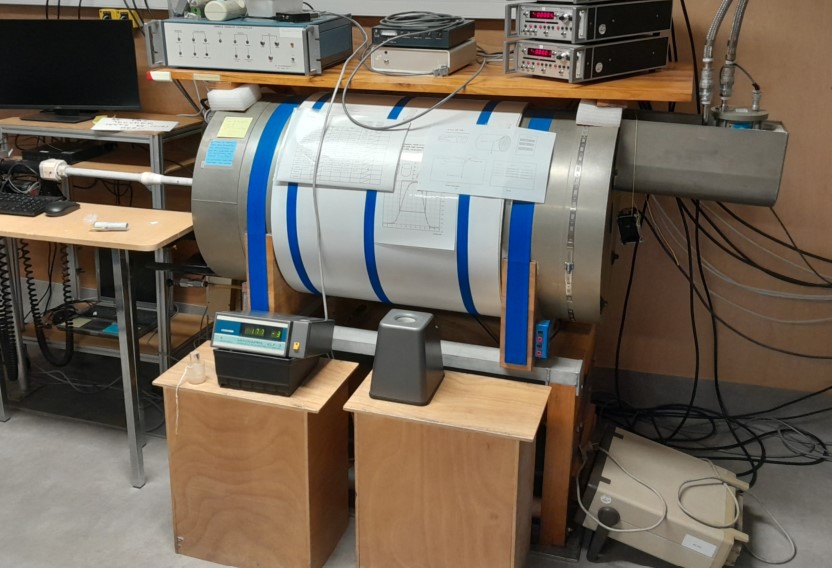
Archaeomagnetism is based on the secular variation of the Earth’s magnetic field. Heated archaeological artefacts, such as terracotta (ceramics, ovens, hearths, bricks), acquire a thermoremanent magnetisation parallel and proportional to the surrounding field during cooling after their last high-temperature heating. Laboratory measurements make it possible to recover this archaeodirection and archaeo-intensity, and when the secular variation is known in the region concerned, comparison with a reference frame provides an absolute date for the last heating of the terracotta. On archaeological ceramics, only the intensity of the geomagnetic field can be used, as the objects have been moved from their place of firing.
The AGROCHRONO project will explore the complementary of archaeomagnetic and radiocarbon dating of archaeological ceramics.
Molecular and isotopic organic geochemistry
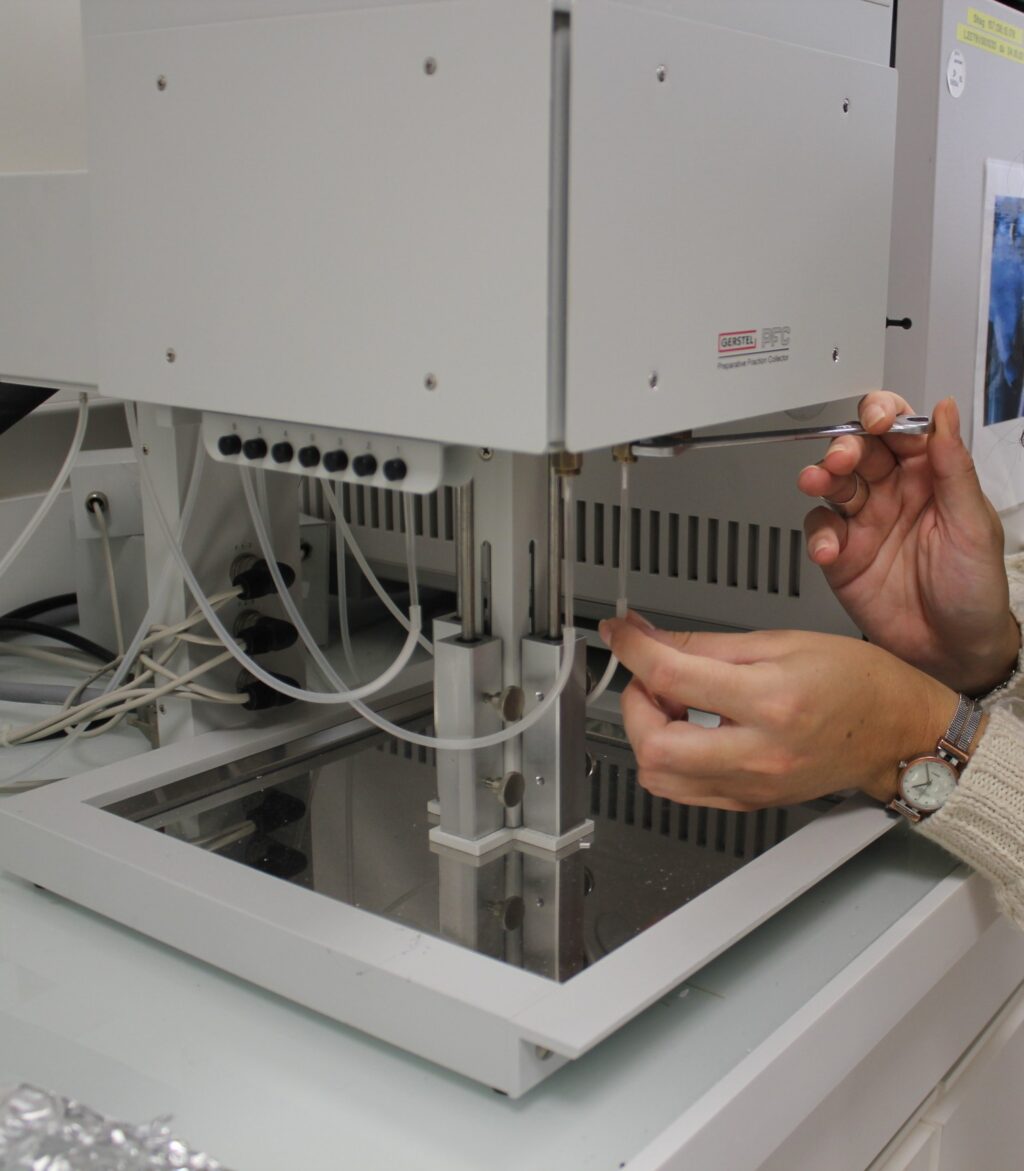
Molecular organic geochemistry studies are based on the identification of molecular signatures contained in archaeological or environmental samples. The molecules in our matrices are extracted using chemical protocols, then separated using chromatographic methods and identified using mass spectrometry.
Measurements of stable carbon isotope ratios (13C/12C and/or hydrogen 2H/1H) enable us to identify more precisely the sources of the molecules, as well as their environmental constraints (aridity, hydrology).
During AGROCHRONO, organic geochemistry is used for paleodiet questions (Theme 2), in particular for the identification of dairy products from domesticated animals in archaeological ceramics. It is also employed for paleoenvironmental reconstructions (Theme 3) based on biomarkers of past vegetation in lake cores.